About Us
Our Story
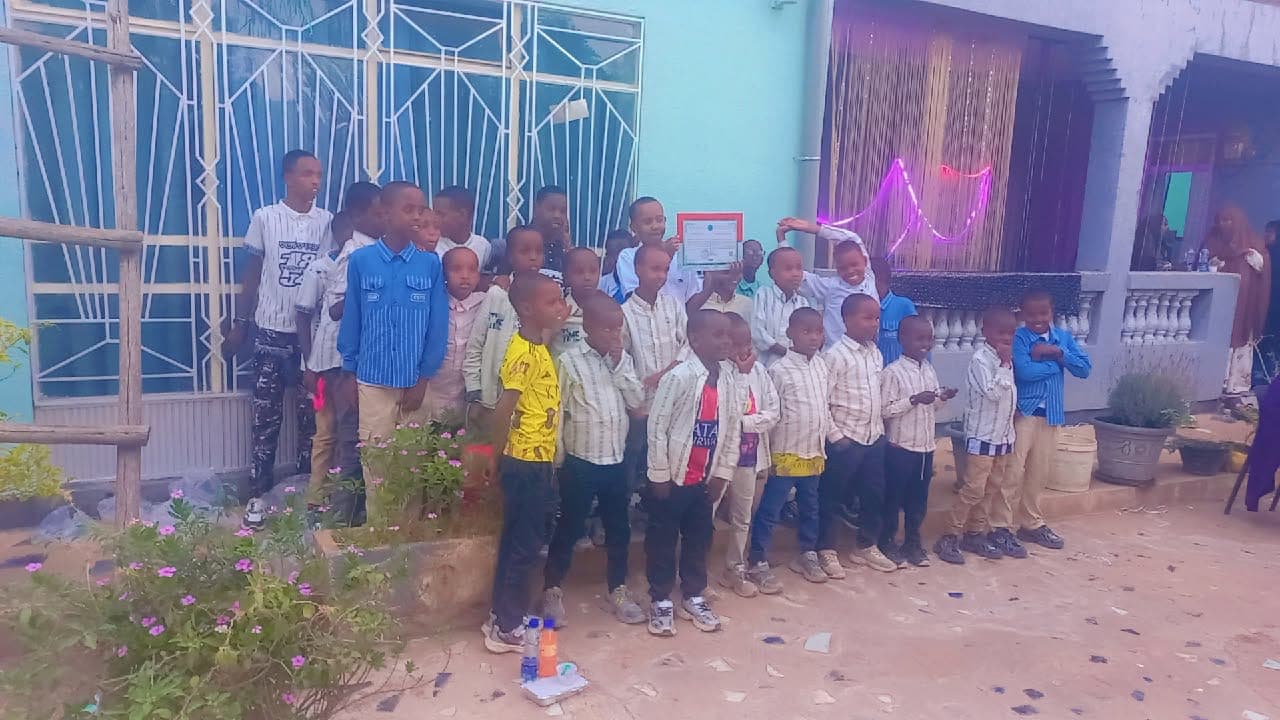
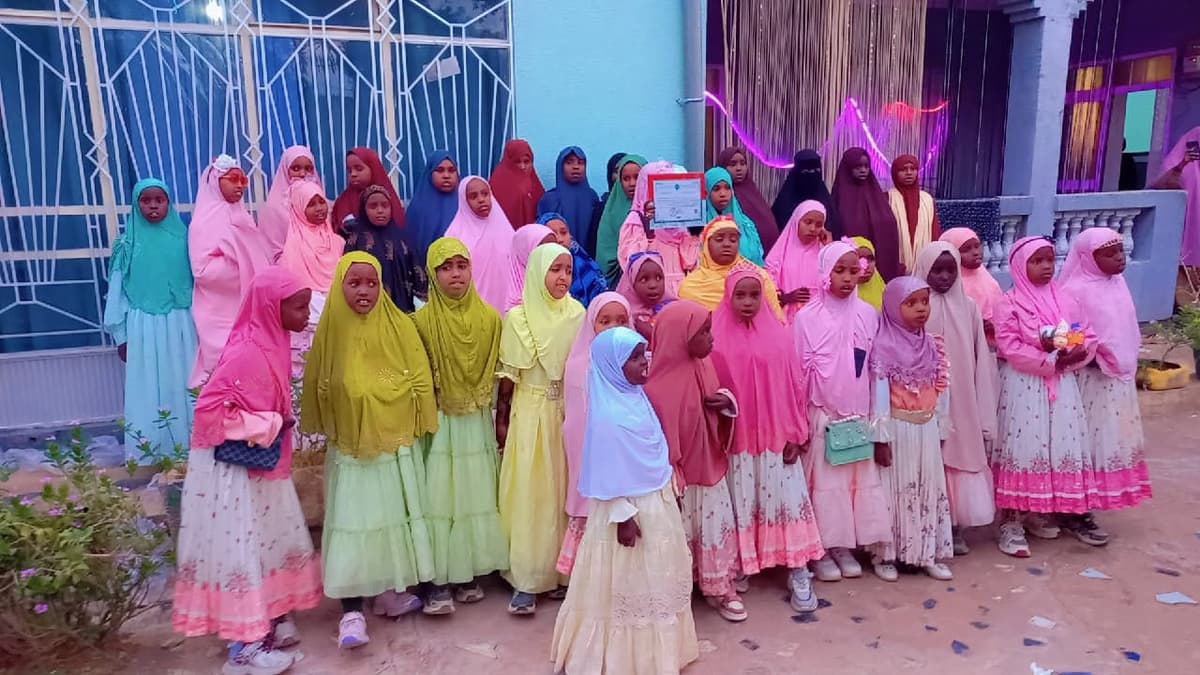
Fatuma Zahra Care and Development Organization (FZCDO) is a non-governmental, non-profit, and social welfare organization founded in 2021 in Jigjiga, Somali Region. The organization was established by a compassionate local woman who was deeply concerned about the deteriorating conditions faced by orphaned children, particularly the lack of access to education, protection, and essential care. Witnessing the vulnerabilities, deprivation, and social exclusion affecting children across the region, they mobilized local community members, educators, and women leaders to create an institution dedicated to empowering orphans and disadvantaged children.
It all started with the golden heart of women who could not bear to see the suffering of orphans or the sight of torn and worn-out Quran books that once guided young minds. What began as a humble act of compassion — repairing Qurans and supporting vulnerable children — grew into a powerful vision to restore dignity, hope, and opportunity for orphans across the Somali Region.
Mission & Vision
Our Mission
To empower women and girls and protect children through integrated services in protection, education, nutrition, and economic justice, acting as the primary "first point of call" for those in the deepest need. We deliver high-impact, multi-sectoral interventions that bridge the gap between immediate life-saving aid, long-term community development, and the foundations of lasting peace.
Our Vision
To be a premier indigenous center of excellence for women's leadership, catalyzing a resilient Ethiopia where every woman and child lives with dignity, safety, and equality, supported by multi-sectoral systems that drive sustainable peace and gender justice.
Our Objectives
The core goals that guide everything we do
- 1
To identify, support, and organize orphaned and vulnerable children for improved wellbeing and equitable development.
- 2
To enhance social awareness among families, guardians, and communities to address the root causes of child neglect, exclusion, poverty, and school dropout.
- 3
To protect and promote the rights of children particularly girls by reducing violence, discrimination, and harmful traditional practices.
- 4
To ensure access to both formal and non-formal education for orphans and disadvantaged children.
- 5
To create safe, child-friendly environments and promote community-based protection systems.
- 6
To empower families and caretakers through livelihood opportunities, income-generating activities, and economic resilience programs.
- 7
To improve health, nutrition, water, and sanitation services for target children and households.
- 8
To raise awareness on gender equality, parental responsibility, and youth development.
- 9
To promote sustainable community development through capacity building, skill development, and responsible resource utilization.
- 10
To strengthen local partnerships and cooperation with government institutions, community organizations, NGOs, and international partners working in child welfare and development.